

Take Me With You When You Go Review
- portuguelo
- Aug 31, 2021
- 4 min read
Tws: parental abuse, physical and psychological violence, homelessness
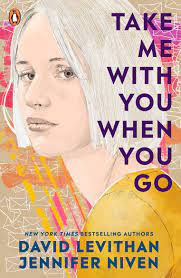
From the New York Times bestselling authors of All the Bright Places and Every Day comes a story of hope, family, and finding your home in the people who matter the most.
Subject: You. Missing.
Ezra Ahern wakes up one day to find his older sister, Bea, gone. No note, no sign, nothing but an email address hidden somewhere only he would find it. Ezra never expected to be left behind with their abusive stepfather and their neglectful mother - how is he supposed to navigate life without Bea?
Bea Ahern already knew she needed to get as far away from home as possible. But a message in her inbox changes everything, and she finds herself alone in a new city - without Ez, without a real plan - chasing someone who might not even want to be found.
As things unravel at home for Ezra, Bea confronts secrets about their past that will forever change the way they think about their family. Together and apart, broken by abuse but connected by love, this brother and sister must learn to trust themselves before they can find a way back to each other.
General Impressions
Other than recognizing the author's names on the cover and glancing at the synopsis, I started this book without many expectations and all I have to say is thank gods the next day was my day off. The fastest way I have to review this book is by telling you that it took me less than 6 hours to read it and the first time I closed it was after I finished it. That being said, this is not an easy read. There are a lot of instances of physical and psychological abuse, both on-page and referencing past acts, so it might be triggering for some folks.
The entire book is told through emails exchanged between Bea and Ezra which I really liked, not only because it made it faster, cutting most of the filler chapters and characters out, but because this entire book felt like a conversation between the two siblings, where they could lean on each other, use the other as a sounding board and get advice and encouragement when they were feeling down.
The biggest silver lining for me is that this is a book not about people in a bad situation but fighting teeth and nails to get out of it and more importantly questioning and rejecting the harmful things they were raised to believe and accept. While Bea and Ezra are apart for the entirety of the book, have vastly different personalities and face different threats, the support they lend each other, never lets them feel alone as they make their own decisions and choose their own paths making this the ultimate coming of age book.
The book is kicked off by Bea running away, and leaving Ezra behind, still living with their abusers. While Bea's guilt over leaving Ezra behind is addressed, there is never an unrealistic sense of blaming Bea for refusing to sacrifice herself further or become her brother's substitute parent, which many books would do, particularly with Bea being a girl. Ezra never blames Bea, not only because he knows and loves her but because he understands why she left and couldn't take her underage brother with her.
This fraternal relationship was the best part of the book for me: we have two people being raised in an unsafe and uncaring environment that very much defines the way they see each other and the world, and yet at the very core of themselves, they love each other, re-examining a lot of their upbringing and the warped view they have of themselves and their lives because of that love. That relationship is the best part of this book because it's not perfect: they are not always kind or say the right thing, their actions sometimes harm or are misunderstood by the other, but they refuse to stop communicating and loving the other through that effort to stay connected.
Something else I really appreciated was that the abusers were not a down on their luck, poverty-stricken family, but two people with good jobs and social standing, a middle-class family like any other, and the way the people around them turned their eyes way helped perpetuate that abuse. One of the best parts of the book for me is when Ezra calls his community out on making sure that the children under their charge know they have someone on their side and that something will be done if they suspect/know them in danger.
Conclusions
This book reminded me of a lot of my favourite YA contemporary novels such as Little Universes, If These Wings Could Fly and Wider Than the Sky.
More than evading and escaping abusive situations, this book shows that truly overcoming abuse is about more than moving away but breaking patterns and examine all the ways victims are conditioned by their abusers to see violence and gaslighting as love/normalcy.
My only wish was that Ezra featured in the cover as well seeing as this is as much his story as Bea's and boys need to be part of the conversation when it comes to overcoming abusive homes and seeing themselves as victims of abuse.
Thank you to Penguin Random House Children's for sending me this copy.
Rating: 4/5




Comments