

Assembly Review
- portuguelo
- Jul 14, 2021
- 2 min read
In "Assembly" by Natasha Brown, a Black British Woman prepares herself to go spend a weekend at her boyfriend's parent's estate and while there carefully examines her own life and future.
The next few months and hopefully years will be seeing the publishing industry finally giving voice to the experiences of POC authors and experiences and this is one of those books, in which you get to the end and realize how much the author and main characters have in common and what that says about the world we live in.
Any kind of review I attempt to write for this story will not do it justice. It's a hundred pages. Go read it. You will be a better human being for it.
General Impressions
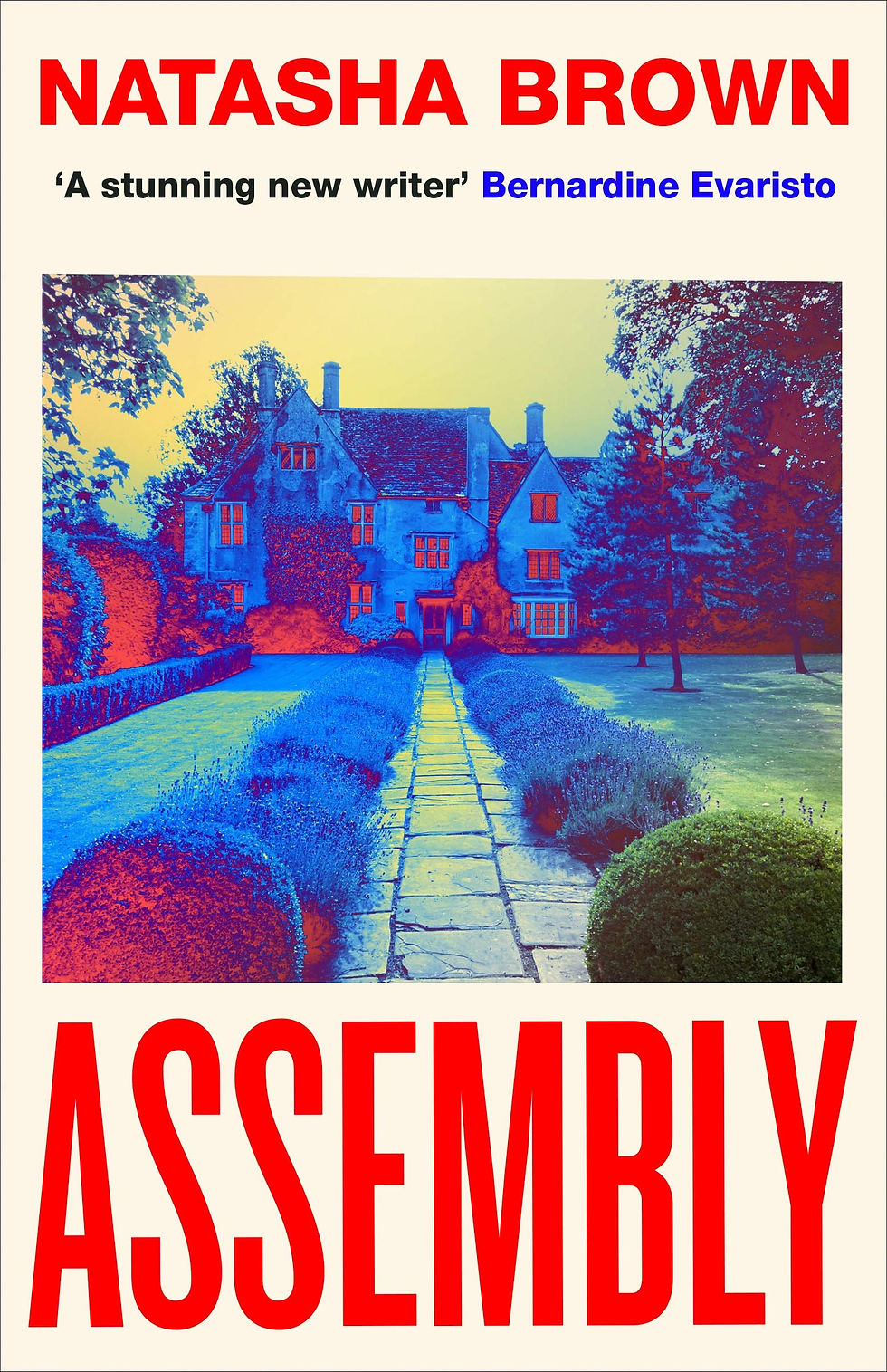
"Assembly" is a very short book about the micro-aggressions black people and in particular Black women in Britain suffer. From the time they are children and denied a careless childhood, to the inherited generational trauma at home, the way they are treated at school and universities by teachers and a skewed curriculum, and ultimately the way they are looked down upon at their workplaces and every aspect of society from health to justice to finances.
While reading this book I started drawing a lot of parallels between it and Open Water. The main character in that book is a working-class artist where the most obvious threats to his life seem physical: police harassment, knife crime, poverty/class struggle. "Assembly" on the other hand follows a woman that went to Oxbridge, works in finance, and dates a white guy that comes from old money seeming to have surpassed not only the class but race divide. That is until she tells you about all that goes on in her day-to-day. Suddenly, the violence they are victims of reveals itself to be exactly the same as is their emotional and mental welfare
He is working towards his goal and she seems to have everything and both of these people that have nothing in common except their Britishness and blackness have long moments in which they realize they would rather be dead than live while black.
Conclusions
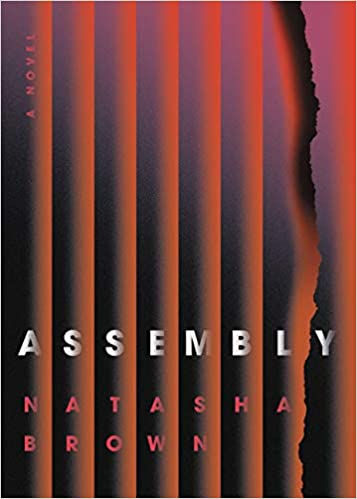
Every page in "Assembly" is a tour de force. It's 120 pages filled with racism, misogynoir, current UK politics, repercussions of a colonial past, racist language, money vs wealth, the whitewashing of a Eurocentric History, and the way old (and current) colonial powers are brainwashing their people by pretending their colonial past is something to be proud of while ignoring all the crimes against humanity that were and are still being committed never happened through the education system and the media.
Everyone should read this book.
Thanks to Penguin and Hamish Hamilton for sending me this book proof.
Rating: 5/5




Comments